
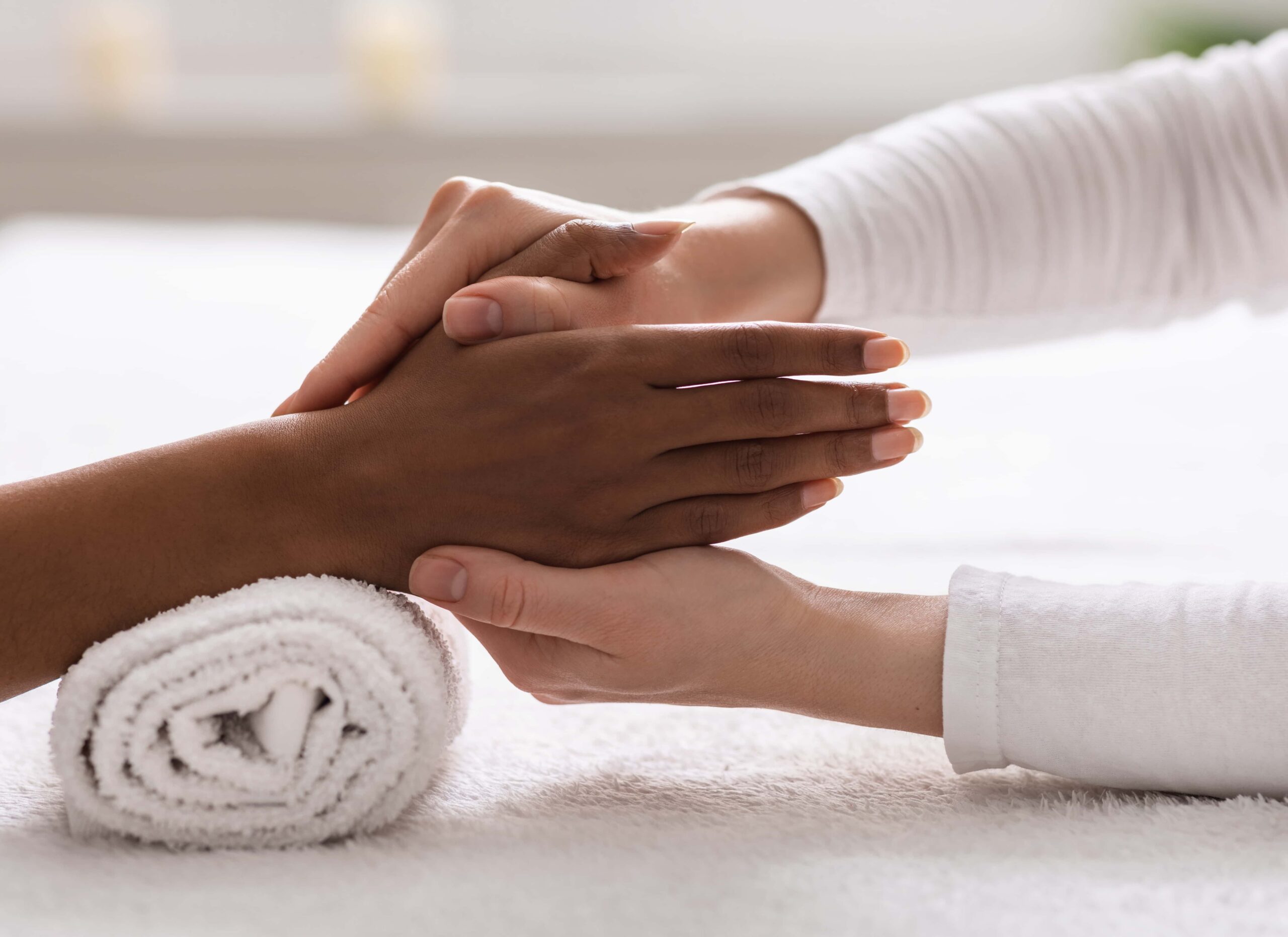
In a fast-paced world where stress and tension often consume our daily lives, finding solace and balance becomes paramount. This is where reflexology comes into play. This is an ancient practice that stimulates specific areas on the feet, hands and ears to promote holistic healing and deep relaxation.
By tapping into the body’s energy pathways, this therapeutic modality encourages the body’s natural ability to heal and restore harmony. From alleviating physical ailments to addressing emotional and mental well-being, reflexology offers a holistic approach to wellness.
If you’re looking to heal your body and mind, Naomi Sato can help. As a holistic therapist and coach, she offers a variety of treatments and therapy options to improve your overall physical and mental wellness. These include massages, reflexology, Reiki, EFT, and more. You can also consult with her to better understand your therapy needs.
In this blog, we’ll delve into the history, techniques and benefits of reflexology. We’ll guide you in embracing the profound power of reflexology as we uncover the secrets of this ancient healing practice and invite you to experience the transformative footprints of serenity.
The Origins of Reflexology
Reflexology, a therapeutic practice gaining popularity in modern times, can trace its origins back to ancient civilizations. This healing art finds its roots in the ancient cultures of Egypt, China and India, dating back thousands of years.
Egyptian hieroglyphics depict scenes of foot massages, suggesting an early understanding of the interconnectedness of the body. In China, reflexology was part of traditional medicine, with the belief that specific points on the feet corresponded to various organs and systems. Indian Ayurvedic medicine also embraced foot massage for holistic healing.
Today, as reflexology continues to evolve, it pays homage to its ancient past while providing comfort and alternative healing in the modern world. If you’re looking to experience the healing power of reflexology, get in touch with Naomi Sato today.
How Reflexology Works: Understanding the Body’s Reflex Zones and Pathways
Reflexology is based on the fundamental concept that specific reflex zones found in the feet, hands and ears directly correspond to various organs, glands and body parts. Through the application of targeted pressure to these zones, reflexologists seek to activate the body’s natural healing mechanisms and reinstate equilibrium.
These reflex zones comprise a complex network of pathways that are believed to facilitate the smooth flow of energy, promoting both physical and emotional well-being. By utilising their hands, fingers and thumbs to pinpoint specific points, reflexologists effectively alleviate tension, enhance circulation, and induce a state of relaxation.
This ancient practice focuses on the interconnectedness of the body and harnesses its inherent capacity to self-heal through the manipulation of reflex zones and pathways.
Exploring the Benefits of Reflexology: How it Helps With Stress Relief
Recently, reflexology has garnered attention for its profound stress-relieving benefits. Studies indicate that reflexology sessions can effectively reduce stress, anxiety, and promote a sense of calmness.
The pressure applied to reflex zones during a session stimulates the release of endorphins, the natural feel-good chemicals that promote relaxation and alleviate tension. Moreover, reflexology has been found to regulate the autonomic nervous system, responsible for the body’s stress response. By modulating this system, reflexology helps restore balance and promotes a state of serenity.
As a holistic approach to stress relief, reflexology combines ancient wisdom with scientific understanding, offering a natural and effective means to alleviate stress-related symptoms.
Reflexology Techniques: Discovering Different Approaches and Methods
Reflexology encompasses a diverse range of techniques and methods, each offering unique approaches to healing. One popular technique is the thumb-walking method, where the reflexologist uses their thumb to apply pressure in a walking motion on specific reflex points.
Another technique involves the use of finger or hand pressure, targeting precise areas for stimulation. Additionally, some practitioners incorporate the use of tools, such as wooden or rubber instruments, to enhance the effectiveness of their treatments.
Other variations include vertical or horizontal thumb techniques and rotational movements. These diverse approaches allow reflexologists to tailor their treatments to individual needs, providing a versatile and adaptable healing modality.
Beyond the Feet: Exploring Hand and Ear Reflexology for Comprehensive Healing
While foot reflexology is widely known, the practice extends beyond the feet to include hand and ear reflexology, offering comprehensive healing options. Hand reflexology focuses on applying pressure to specific points on the hands that correspond to different body parts and systems.
Similarly, ear reflexology involves stimulating specific points on the ears that connect to various organs and areas of the body. Both hand and ear reflexology provide alternative avenues for accessing reflex zones and promoting overall well-being.
These modalities offer versatility in treatment and expand the possibilities for personalised healing, making reflexology a holistic approach that encompasses more than just the feet.
For Effective Holistic Healing Treatments, Contact Naomi Sato
Naomi Sato is a holistic mind, body and life connection coach with over 15 years of experience in the field. With her healing hands and various effective mind-body tools and techniques, she can help you transform your life for the better.
Her holistic approach can help you calm your mind and alight your body, thereby improving your overall wellness. Her therapies and treatments range from massages and reflexology to Reiki, EFT, NLP and much more.
To learn more about holistic healing therapies or book her classes, check out her offerings and contact her today!